1. The brand emphasizes “Whole nutrition” to support preventive health and overall well-being. How can this approach help you stand out in a highly competitive category?
Looking at the current nutrition situation in India, the problem is not just access to food, but also what is missing from that food. NFHS-5 data highlights that more than 50% of women are anemic and a significant proportion of children continue to face clear stunting indicating nutritional imbalance.
At Ruokamill, we built our brand around the idea of ‘complete nutrition’ because the body doesn’t function on just one nutrient. While protein has understandably gotten a lot of attention in recent years, the biggest gap is in a balanced intake of vitamins, minerals, healthy fats, and gut-supporting nutrients.
This is where we differ. We approach nutrition through comprehensive analysis, which we then link to preventative health decisions, rather than studying a specific trend. Today’s consumers must build; repairs and they want to prevent problems from arising in the future.
2. How important is it to leverage the creator economy by collaborating with influencers in the health and lifestyle category to expand a brand’s narrative?
More than the creator economy, I personally believe in connecting with the audience and making them aware of the reality of the situation. If influencers and creators can truly connect and spread the cause of health, it could be a great way to leverage them with consumers. The creator economy can be extremely rewarding if you can make real connections, rather than just follow it as a trend.
3.What form will experiential marketing take at places like shopping malls and gyms?
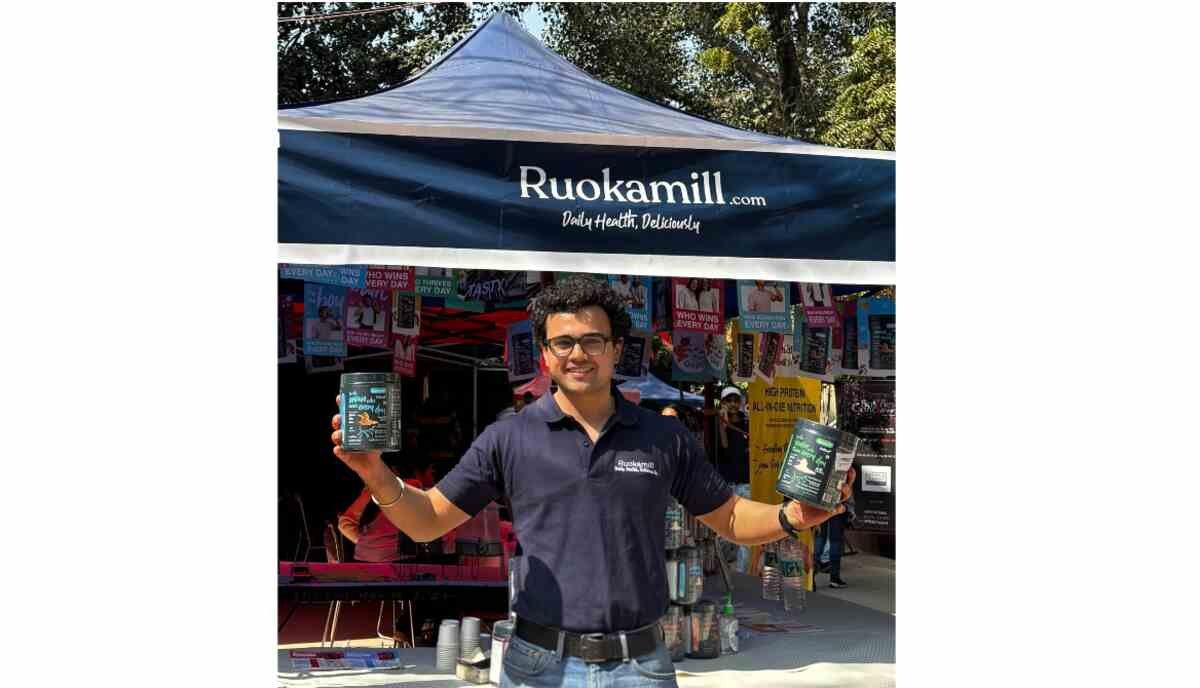
Experiential marketing is an important part of our strategy because in nutrition, people need to understand the benefits through real-world experience before adopting them. Our team is testing a variety of formats that allow consumers to experience our products in real-world settings such as gyms, wellness centers, and retail stores. The organization aims to develop meaningful connections with users through its work, as this will help people understand how its services fit into their daily activities.
4.What goals have been set for 2026 and what is the gameplan to get there?
Our focus for 2026 is to strengthen Ruokamill’s position as a trusted everyday nutrition brand. This is a category, which India is in huge need of, however, there is lack of consumer awareness. For 2026, the brand is focused on accelerating its growth journey and strengthening its positioning as a science-led, consumer-first nutrition company. The gameplan revolves around building strong brand awareness, expanding its presence across national media, and driving consumer education around holistic nutrition. A key lever will be integrated communications, so that consumer gets to know about the need for complete nutrition and how it is going to help India bridge the nutrition gap of 30%. We will ensure that the brand not only sells products but also leads the larger conversation on nutrition in India.
5.Which are the key markets being targetted in 2026?
We are seeing highest traction in urban and emerging urban markets, where conversations around preventive health have become more mainstream. While we aim to reach out to PAN India, in the coming months and years, we have started with the urban and semi-urban markets, which comparatively have more aware consumers today.
Our age and gender-specific formulations indicate a strategy focused on personalized nutrition needs rather than a one-size-fits-all approach. We aim to reach out to men and women as separate target consumers, families and individuals and the growing number of consumers who are increasingly aware of preventive healthcare and nutritional gaps.
6.Are Gen Z and Alpha’s attitudes toward health and nutrition very different from their parents?
Younger consumers demonstrate active monitoring of their health, compared to millennials. They are very careful about what they eat. Many Gen Zs are consciously choosing not to drink or smoke in order to live a better lifestyle in the future. They grow up in an environment where preventive health care, physical fitness, and mental health are part of everyday conversation. As a result, they are more conscious of what they consume and actively seek out clean, balanced, and functional meals, rather than simply consuming individual calories and nutrients such as protein. They are also digital natives. This means their choices are heavily influenced by online content and their peer community. This makes them more open to trying new formats and new brands, but more demanding in terms of transparency, scientific backing, and ingredient clarity.